
Bringing home a new puppy is an exciting milestone—but it can also be overwhelming, especially for first-time dog owners. From potty training to socialization, feeding to obedience, there’s a lot to learn. This guide will walk you through the most important tips and tricks to help your puppy grow into a healthy, well-behaved, and happy companion.
Whether you’ve adopted from a shelter or brought home a purebred pup, these 25 tips will set you and your new best friend up for long-term success.
Before your puppy arrives, make sure your home is safe:
- Remove toxic plants, wires, and choking hazards.
- Use baby gates to limit access to off-limits areas.
- Store shoes, trash, and cleaning products out of reach.
- Choose the Right Supplies
You’ll need:
- A crate (appropriately sized)
- Food and water bowls
- High-quality puppy food
- Chew toys
- A collar, leash, and ID tag
- Establish a Routine Immediately
Puppies thrive on structure. Set feeding, potty, and sleep times from day one to create predictability and reduce anxiety.
- Start Crate Training Early
Crates help with:
- Potty training
- Preventing destructive behavior
- Providing a safe, quiet space for rest
Introduce the crate slowly and always associate it with positive experiences.
- Begin Potty Training on Day One
Take your puppy outside:
- First thing in the morning
- After meals and naps
- Every 1–2 hours
Use a consistent phrase like “Go potty” and reward them immediately after success.
- Use Positive Reinforcement
Praise and treats work better than punishment. Reward your puppy for:
- Good behavior
- Following commands
- Pottying in the right place
Avoid yelling or hitting—these can cause fear and confusion.
Expose your puppy to different:
- People
- Dogs
- Sounds
- Environments
Start gradually between 8–16 weeks, which is a critical socialization window.
- Schedule a Vet Visit Immediately
Have your puppy checked within the first few days. Discuss:
- Vaccination schedule
- Deworming
- Microchipping
- Flea and tick prevention
- Feed a Balanced Diet
Choose a high-quality food made specifically for puppies. Ask your vet about appropriate portions based on breed and size.
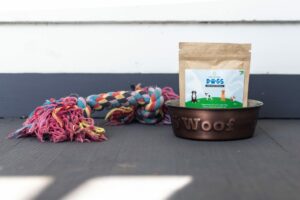
Superfoods for your SuperDog
Get Epi-Genius Dogs now and watch the positive results come forward in days.
- Set Boundaries and Be Consistent
Decide early what’s allowed (e.g., furniture, jumping) and be consistent with everyone in the household. Mixed messages confuse your puppy.
- Introduce the Leash and Collar Slowly
Let your puppy wear the collar around the house first. Then, introduce short, positive leash sessions.
- Don’t Skip Basic Training
Focus on core commands:
- Sit
- Stay
- Come
- Leave it
Short, fun training sessions (5–10 minutes) each day build trust and discipline.
- Enroll in Puppy Kindergarten
Group classes offer:
- Basic obedience skills
- Socialization with other puppies
- Trainer support for common issues
- Provide Plenty of Chew Toys
Puppies chew to relieve teething discomfort. Offer a variety of safe chew toys and rotate them regularly to maintain interest.
- Prevent Biting Early
Yelp and withdraw attention if your puppy bites during play. Redirect to a toy and reward gentle play.
- Understand That Accidents Will Happen
Mistakes are part of the learning process. Clean up with enzyme-based cleaners and stay patient.
- Handle Your Puppy Often
Touch their paws, ears, and mouth regularly to prepare them for grooming and vet visits. Make it a positive experience with treats.
- Groom Early and Regularly
Get your puppy used to brushing, nail trims, and baths. Start slow and keep it positive.
- Create a Safe Sleeping Space
Designate a quiet, cozy sleeping area—preferably in your bedroom at first. Puppies feel more secure near their humans.
- Avoid Over-Exercising Young Puppies
Stick to age-appropriate play. Excessive exercise can harm growing joints, especially in large breeds.
- Watch for Warning Signs of Illness
Contact your vet if your puppy shows signs of:
- Lethargy
- Vomiting or diarrhea
- Loss of appetite
- Coughing or sneezing
- Be Prepared for the Puppy Blues
It’s normal to feel overwhelmed or even regretful in the early weeks. You’re not alone—puppyhood is hard, but temporary. Reach out for support if needed.
- Set Realistic Expectations
Puppies aren’t born knowing how to behave. Training takes time, effort, and patience. Celebrate small wins.
- Capture the Moments
Take lots of pictures and videos! Puppyhood is fleeting, and you’ll want to remember these precious stages.
- Enjoy the Journey
Raising a puppy is one of the most rewarding experiences you’ll ever have. Embrace the chaos, the cuddles, and the learning curve.
Final Thoughts
Being a first-time puppy owner can feel like a rollercoaster of joy, frustration, and love. With these 25 tips and tricks, you’ll be better prepared to navigate puppyhood and raise a happy, healthy, and well-adjusted dog. Start with a good routine, provide consistent training, and remember to enjoy every stage of your puppy’s growth.

