Canine diarrhea is one of the most common health concerns dog owners face. While it’s often mild and self-limiting, it can sometimes signal a more serious underlying issue. Understanding the potential causes, how to treat it safely at home, and knowing when to call the vet can help you take better care of your furry friend.
This comprehensive guide will explore the different types of dog diarrhea, the many reasons it occurs, effective treatment options, and preventive strategies to minimize future episodes.
What Is Diarrhea in Dogs?
Diarrhea in dogs is defined as the frequent passage of loose or watery stools. It can vary from mildly soft to completely liquid and may be accompanied by other symptoms such as gas, bloating, urgency, or even vomiting.
Occasional loose stools are not necessarily a cause for concern, especially if your dog is otherwise acting normal. However, persistent, severe, or bloody diarrhea, or any episode accompanied by lethargy or vomiting, should never be ignored.
Common Causes of Diarrhea in Dogs
There are numerous reasons a dog may experience diarrhea, ranging from mild dietary issues to more serious medical conditions. Here are the most common causes:
- Dietary Indiscretion
Dogs are known for eating things they shouldn’t—trash, spoiled food, foreign objects, or table scraps. This is one of the most common and generally benign causes of diarrhea.
- Sudden Dietary Changes
Abruptly changing your dog’s food can disrupt the balance of bacteria in the gastrointestinal tract, resulting in temporary diarrhea. Any dietary transitions should be done gradually over 7–10 days.
- Food Intolerances or Allergies
Some dogs are sensitive to certain ingredients such as beef, dairy, wheat, or chicken. Diarrhea, gas, and itching may result from food sensitivities.
- Parasites
Intestinal parasites like giardia, roundworms, hookworms, or coccidia are especially common in puppies and shelter dogs. These often require prescription medications for treatment.
- Bacterial or Viral Infections
Bacteria like Salmonella, E. coli, or Campylobacter, and viruses like parvovirus, coronavirus, or distemper can all cause diarrhea. Some of these conditions are contagious and can be life-threatening.
- Toxins and Poisons
Ingestion of certain houseplants, chemicals, medications, or human foods like chocolate and xylitol can cause gastrointestinal upset or more serious systemic effects.
- Stress and Anxiety
Stressful events such as boarding, moving, thunderstorms, or new environments can lead to stress-induced diarrhea, commonly referred to as stress colitis.
- Chronic Diseases
Conditions like inflammatory bowel disease (IBD), pancreatitis, liver disease, kidney disease, and cancer can all present with chronic or intermittent diarrhea.
- Medications
Antibiotics, NSAIDs, and some supplements can alter gut flora or irritate the stomach lining, leading to diarrhea.
Types of Diarrhea in Dogs
The appearance of your dog’s stool can provide clues about the underlying cause:
- Watery or liquid diarrhea: Suggests a large intestinal issue or acute infection
- Mucus-coated stools: Often associated with colitis or inflammation of the colon
- Greasy or foul-smelling stool: May indicate malabsorption or pancreas-related issues
- Bloody diarrhea: Known as hematochezia (bright red) or melena (black, tarry), this could be a medical emergency
- Chronic soft stools: May point to food sensitivities, parasites, or chronic diseases
At-Home Treatment for Mild Diarrhea
If your dog has mild diarrhea but is otherwise acting normal, you can often treat it at home. Here’s a general approach:
- Fasting
Withhold food (but not water) for 12–24 hours to give the digestive system a rest. Never fast a puppy, small breed, or senior dog without veterinary advice.
After fasting, offer a bland diet such as:
- Boiled chicken (no skin or seasoning) and white rice
- Boiled ground turkey and pumpkin puree
- Prescription gastrointestinal diets from your vet
Feed small amounts 3–4 times per day for 2–3 days, then gradually reintroduce regular food.
Make sure your dog drinks water. You can offer ice chips or low-sodium bone broth to encourage fluid intake.
- Probiotics
Veterinarian-approved probiotic supplements can help restore healthy gut bacteria and improve recovery time.
- Pumpkin or Fiber Supplements
Plain canned pumpkin (not pie filling) or fiber powders like psyllium can help regulate stool consistency.
When to See a Veterinarian
While some cases of diarrhea are minor, others require immediate veterinary attention. Contact your vet if:
- Diarrhea lasts longer than 48 hours
- Your dog becomes lethargic or weak
- Vomiting accompanies diarrhea
- You see blood or black stool
- Signs of dehydration (dry gums, sunken eyes, skin tenting)
- Your dog is a puppy, senior, or has existing health conditions
- Your dog shows signs of pain or abdominal bloating
Your vet may recommend diagnostic tests such as a fecal exam, blood work, x-rays, or ultrasounds to determine the underlying cause and guide treatment.
Veterinary Treatment Options
Depending on the diagnosis, veterinary treatment may include:
- Deworming medication for parasites
- Antibiotics for bacterial infections
- Antiemetics (anti-nausea drugs)
- IV or subcutaneous fluids for dehydration
- Prescription diets tailored for digestive sensitivity
- Anti-diarrheal medications (only when prescribed)
It’s important not to give human anti-diarrheal medications like Imodium without vet guidance, as they can be toxic or inappropriate for dogs.
Preventing Diarrhea in Dogs
While some causes of diarrhea are unavoidable, many can be prevented with good pet care practices:
- Avoid feeding table scraps or fatty foods
- Transition dog foods gradually over a week
- Keep your dog’s environment clean and remove access to trash
- Regularly deworm and get annual vet exams
- Ensure vaccinations are up to date
- Introduce new environments and pets slowly
- Avoid letting dogs drink from stagnant water
Providing a high-quality diet, clean water, and minimizing stress all contribute to a healthier digestive system.
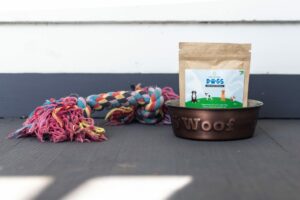
Superfoods for your SuperDog
Get Epi-Genius Dogs now and watch the positive results come forward in days.
Conclusion
Canine diarrhea can be unsettling, but understanding its many causes, symptoms, and treatments can help you respond appropriately and avoid unnecessary worry. In most cases, mild diarrhea resolves on its own with proper at-home care. However, recognizing the warning signs of a more serious condition is crucial for your dog’s health and well-being.
Always consult your veterinarian if you’re unsure or if the symptoms persist. With attentive care and preventive measures, you can help ensure your dog stays happy, hydrated, and healthy.

