
If you’re looking for a small-to-medium-sized dog with charm, playfulness, and a heart full of affection, the Puggle may be the perfect breed for you. A delightful mix between the Pug and the Beagle, the Puggle brings together some of the best qualities of both parent breeds—creating a hybrid dog that’s both adorable and adaptable. This comprehensive guide will cover everything you need to know about the Puggle, from its origin and appearance to its care, personality, and health.
What Is a Puggle?
A Puggle is a crossbreed resulting from the pairing of a Pug and a Beagle. First developed in the 1990s in the United States, the Puggle quickly gained popularity due to its appealing blend of looks and temperament. As a hybrid dog breed, the Puggle is not recognized by the American Kennel Club (AKC), but it is widely adored by dog lovers and pet owners around the world.
Because Puggles are hybrids, their appearance and temperament can vary depending on the genetics inherited from each parent.
Physical Appearance
Puggles are known for their irresistibly cute features that combine the squishy face of a Pug with the longer muzzle and floppy ears of a Beagle.
General Features:
- Size: Typically weigh between 15–30 pounds
- Height: Range from 10 to 15 inches tall at the shoulder
- Build: Sturdy, compact body with a slightly longer torso
- Coat: Short and smooth; sheds moderately
- Colors: Tan, fawn, black, red, or a combination (often with a black mask)
Their expressive eyes, wrinkled foreheads, and curled or straight tails make them particularly photogenic and charming.
Temperament and Personality
Puggles are beloved for their friendly, outgoing, and affectionate nature. They are highly social dogs that love to be around people and are often described as “velcro dogs” because they stick close to their owners.
Personality Traits:
- Loyal: Puggles form strong bonds with their families and enjoy being included in daily life.
- Playful: They are spirited and energetic, especially during puppyhood.
- Sociable: Puggles get along well with children, other dogs, and even cats when socialized early.
- Vocal: Thanks to their Beagle lineage, they may bark or howl more than average.
- Stubborn but Smart: While they are intelligent, their independent streak (especially from the Beagle side) can make training a challenge without patience and consistency.
Puggles are ideal companions for families, singles, and seniors alike—provided they receive the attention and engagement they crave.
Exercise and Activity Requirements
Though not as high-energy as a purebred Beagle, Puggles still need daily physical activity to stay healthy and prevent behavioral issues.
Exercise Tips:
- Daily Walks: Aim for at least 30–45 minutes of walking each day.
- Interactive Play: Fetch, tug-of-war, and puzzle toys keep their minds sharp.
- Off-Leash Time: A secure yard is great, but watch for scent distractions—Beagle instincts can kick in!
Without adequate exercise, Puggles can become bored and may exhibit destructive behavior such as chewing or digging.
Training and Socialization
Training a Puggle can be a rewarding experience, but it requires a firm and consistent hand due to the breed’s sometimes stubborn nature.
Training Guidelines:
- Start Early: Begin obedience and house training as early as possible.
- Positive Reinforcement: Use treats, praise, and rewards rather than punishment.
- Short, Fun Sessions: Keep training brief and engaging to maintain their attention.
- Crate Training: Helps with housebreaking and provides a safe space.
Early socialization is important for Puggles to become well-mannered adults. Expose them to various environments, people, and animals during puppyhood.
Grooming and Care
Puggles are low-maintenance in terms of grooming but do shed moderately and require regular hygiene care.
Grooming Needs:
- Brushing: Brush 2–3 times per week to remove loose hair and distribute skin oils.
- Bathing: Every 4–6 weeks or as needed.
- Ears: Check weekly for moisture and wax buildup—floppy ears can be prone to infections.
- Nails: Trim every 3–4 weeks to prevent overgrowth.
- Teeth: Brush several times per week to avoid dental disease.
Despite their short coats, Puggles are not hypoallergenic.
Health and Lifespan
Puggles benefit from hybrid vigor, which can reduce some inherited health issues, but they are still susceptible to conditions common in Pugs and Beagles.
Common Health Issues:
- Hip Dysplasia
- Allergies
- Brachycephalic Syndrome (especially if they inherit the Pug’s shorter snout)
- Ear Infections
- Obesity (they love to eat!)
Life Expectancy:
- Most Puggles live between 12–15 years, with proper diet, exercise, and routine vet care contributing to longevity.
Choose a reputable breeder who screens for genetic health problems and practices ethical breeding methods.
Feeding and Nutrition
Puggles are food-driven, which makes them easy to train—but also prone to weight gain if overfed.
Feeding Guidelines:
- Puppies: 3 meals per day
- Adults: 2 meals per day
- Quality Food: Choose high-protein, balanced dog food appropriate for their size and age
Avoid giving table scraps and monitor calorie intake from treats during training sessions.
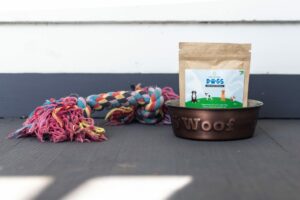
Superfoods for your SuperDog
Get Epi-Genius Dogs now and watch the positive results come forward in days.
Is the Puggle the Right Dog for You?
Great Fit For:
- Families with children
- Apartment dwellers (with enough exercise)
- People who work from home or are frequently present
- First-time dog owners
May Not Be Ideal For:
- People gone long hours (Puggles hate being alone)
- Owners seeking a quiet dog
- Allergy sufferers (not hypoallergenic)
If you’re looking for a dog with personality, charm, and cuddly companionship, the Puggle makes a loyal and lovable choice.
Final Thoughts
The Puggle is a delightful combination of two cherished breeds, offering the affection of the Pug and the curiosity of the Beagle. Their friendly demeanor, moderate exercise needs, and adorable appearance make them one of the most popular designer dogs in the world. With proper training, regular grooming, and plenty of love, a Puggle will quickly become a treasured member of your family.

